From the outside an pump station could appear as a basic structure for utilities, but two projects are the same. A pump station may be required to carry wastewater from a housing development upwards, whereas a different location may require pressure to be maintained across commercial buildings that have rising and falling elevations. Based on whether the project is municipal, industrial, or private, each has its own set of specifications, rules, and the long-term expectations for operation.
Pumping systems aren’t designed to suit all. The best station is designed around the specifics of the area, the flow conditions, the ownership requirements, as well as the future of the property it serves. Romtec Utilities works from that perspective, designing each package pumping system to fit the exact needs of the project rather than forcing the project to fit a generic system.
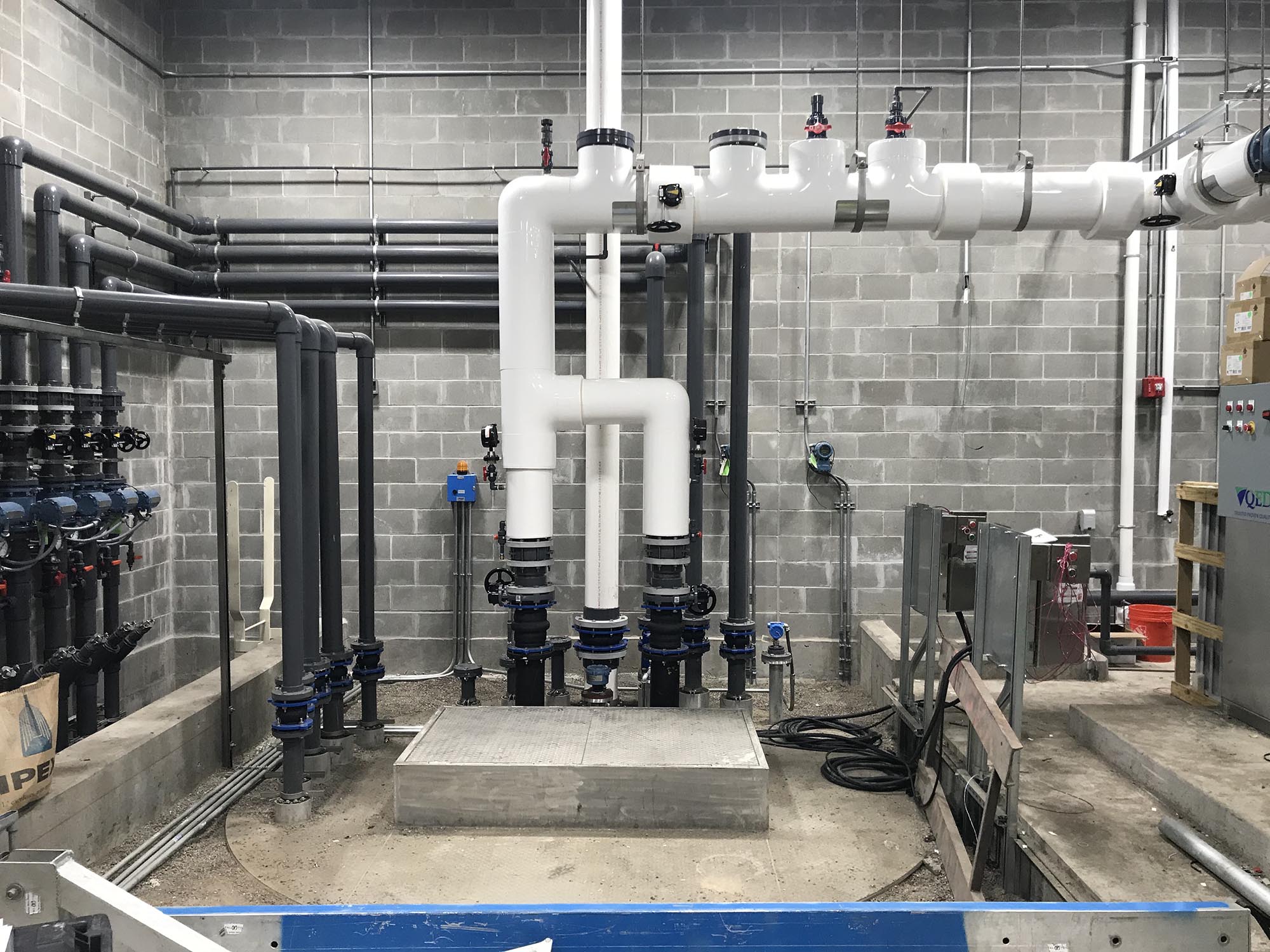
Pumping is more than just moving water.
At its heart, pumps serve to move water or waste when gravity alone cannot accomplish the job. But constructing a system that only functions is not enough. It must also be easy to operate and conform to all state and local regulations. It must be able to work not just in theory but also on a daily basis for the people who are in charge of using it.
It covers everything from the structural design, the size of the wet well, to electrical equipment, controls communications systems, controls, and access for the crews. The system can be plagued with operational issues for many years if even one element is not thought of in a proper manner. This is why owners and engineers place the most importance on working with the most skilled lift station designers. When trying to balance the budget, constraints on site as well as hydraulic performance and long-term longevity at the same expertise is crucial.
Romtec Utilities brings these fields in one place. Rather than requiring the customer to collaborate with several vendors, the company takes care of all electrical, structural mechanical, mechanical and communication components in a unified system. The single-source model often saves time during design, helps reduce confusion during procurement and provides a more smooth route to installation.
If designed correctly, packaged pumping systems are more simple.
A package pumping system can simplify infrastructure projects since it integrates the most important components into a coordinated solution. The real value is in how it has been engineered. In the event of a poorly-matched system, it could create issues with performance, equipment that is too large cost, excessive costs, or lengthy maintenance issues.
Romtec Utilities views each package as more of a solution, not simply a typical item. It is because the particular site’s requirements will decide which pumps, control valves, enclosures, and piping will be most suitable for. It is also important to consider how the system can be monitored, how users will be able to access it, and what maintenance it will require over time. In the case of utility infrastructure, careful coordination during the design phase often prevents much larger problems later.
Booster pumps address a totally different type of infrastructure problem
Some projects aren’t about water treatment. In a lot of projects, maintaining the pressure of water can be as crucial as moving wastewater. Pumping stations for boosters have a vital role to play. These systems are designed to ensure that water flows smoothly throughout a distribution system when shifts in elevation, long pipe runs or peak demand would otherwise create pressure problems.
Booster systems usually require a different type of engineering approach because they may comprise control buildings, variable frequency drives, SCADA integration, telemetry and architectural considerations based on the specific site. Romtec Utilities designs the stations in the same way as wastewater systems in order to ensure that the end product is both functional and operational.
A more effective strategy will lead to a better performance over the long term
Early design support is one of the most valuable components of Romtec Utilities’ process. Preliminary design and engineering assistance helps project teams understand the probable size, configuration and costs of a project before going too far into procurement or construction. This could make a big difference for developers, consultants, and public agencies seeking to keep projects on track and within budget.
No matter if you need a wastewater lift station, an integrated pumping system, or one of several custom booster pumps, the success of any project is usually determined by making plans. The right design partner can do more than provide equipment. They can help you design a solution that’s reliable, appropriate for the environment, serves the owners’ goals and is able to stand the test of time.
In utility work The most reliable systems are usually those that nobody notices since they just work. This kind of reliability is not a result of chance. It’s a result of careful engineering, good coordination and an understanding of how to tailor each system according to the needs of the project.