In the past, many thought of the process of shaping their bodies in simple terms: remove unwanted fat and reduce an area. Modern cosmetic surgery demands a much greater degree of precision. The surgeons are now able to evaluate the proportions, distribution of fat, skin condition, the current anatomy and the patient’s preferred appearance before recommending a treatment plan.
At PRM Cosmetic Surgery, procedures can be tailored to these elements. Options range from liposuction and fat transfer techniques to those designed to address skin laxity providing surgeons with a variety of options to treat body contouring rather than relying on only one method.
Good Liposuction Starts with Proportion
When patients are looking for the best liposuction it is possible to focus on the amount of fat that could be removed. The question of how the removal of fat will affect the shape of your body is an important one.
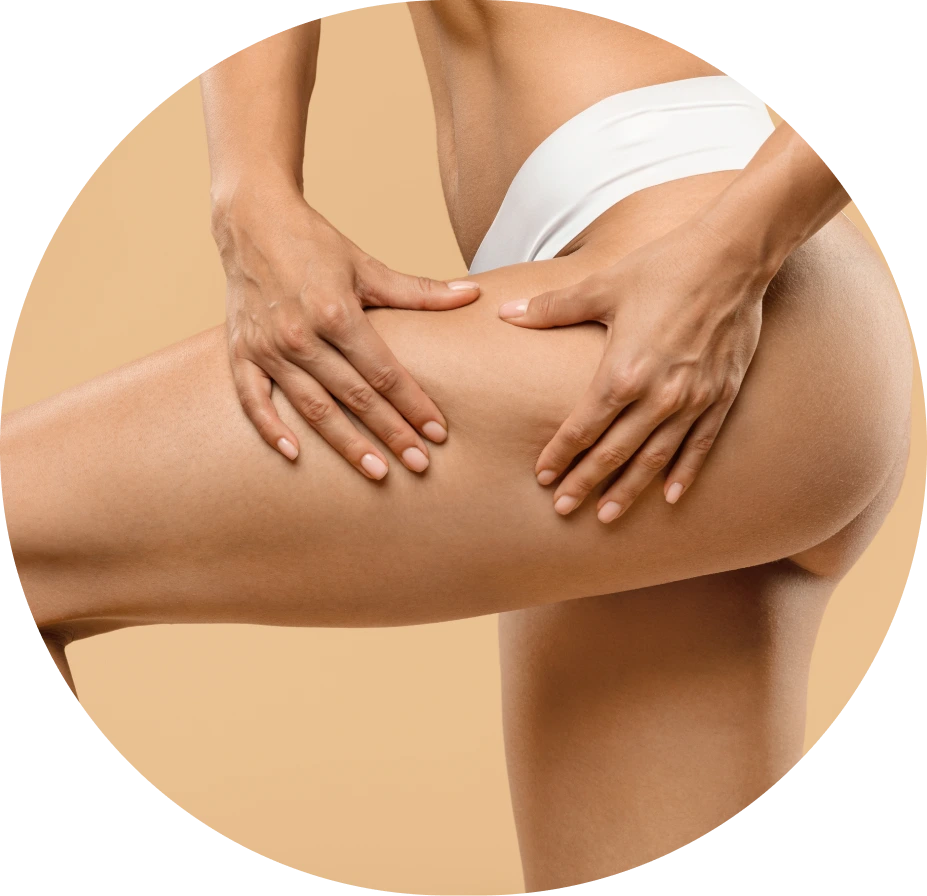
Image credit: prmsurgeons.com
Removal of fat from the abdomen such as this, for instance, can change how the waist relates to the hips. In addition, treating the flanks can determine the transition. Careful and precise elimination isn’t necessarily better. The aim is usually to achieve a smoother contour that will are compatible with the patient’s natural frame.
PRM Cosmetic Surgery offers cutting-edge methods, including tumescent lipsuction and treatment that is customized according to the areas being addressed as well as the patient’s cosmetic goals.
The reason why skin quality is important.
Skin and fat behave differently. Although liposuction can eliminate localized fat, this doesn’t mean that the skin overlying the fat will be able to contract according to the desired.
Therefore, tightening of the skin is an integral aspect of the conversation. The effects of the age of the person, genetics, weight loss, pregnancy and the state of elasticity can influence how the skin reacts following making a contour.
Renuvion® JPlasma can be described as a technique that could be employed for when tightness of the tissues is a problem in a treatment plan. Surgeons should not consider tightening in the last minute as an alternative, but instead evaluate the skin’s characteristics prior to deciding on an first strategy to contour the body.
Quantum RF and the conversation
The use of radiofrequency technology in aesthetic medicine has expanded options. Quantum-RF can also be used to address body contouring or problems with tightening the tissues.
However, technology isn’t the only component of treatment. It isn’t able replace anatomical expertise or surgical judgment neither can it substitute for a careful selection of the patient. Patients must be able to be able to comprehend, during a consultation about the reasons why a certain technique is recommended, as well as its use, as well as any limitations that may apply to them.
A Brazilian Butt Lift can change the shape of your butt more Than the Buttocks
A brazilian butt lift offers a useful example of how modern contouring involves relationships between different parts of the body. The procedure involves transferring the patient’s fat from selected areas of their body into their buttocks.
The final image appears as a result of two things: the reshaping of the areas where fat has been removed, and the addition, if needed, to volume. How the final silhouette looks is influenced by the abdomen, waistline, flanks and hips.
Personalized Planning Matters More Than an e-commerce Trend
The popularity of a specific technique or technology should not be the primary factor in choosing an aesthetic procedure. Two people who share the same desire for a slimmer, more streamlined midsection may have very differing expectations as well as expectations regarding fat distribution.
PRM Cosmetic Surgery emphasizes individualized treatment, and offers the body contouring option that is designed to meet the individual’s needs. An extensive consultation allows for a discussion of anatomy, treatment options along with recovery time, potential negative effects, and risks prior to deciding whether surgery or other aesthetic treatments are appropriate.